What Is the Downside of Having a Heat Pump in Westminster, CO?
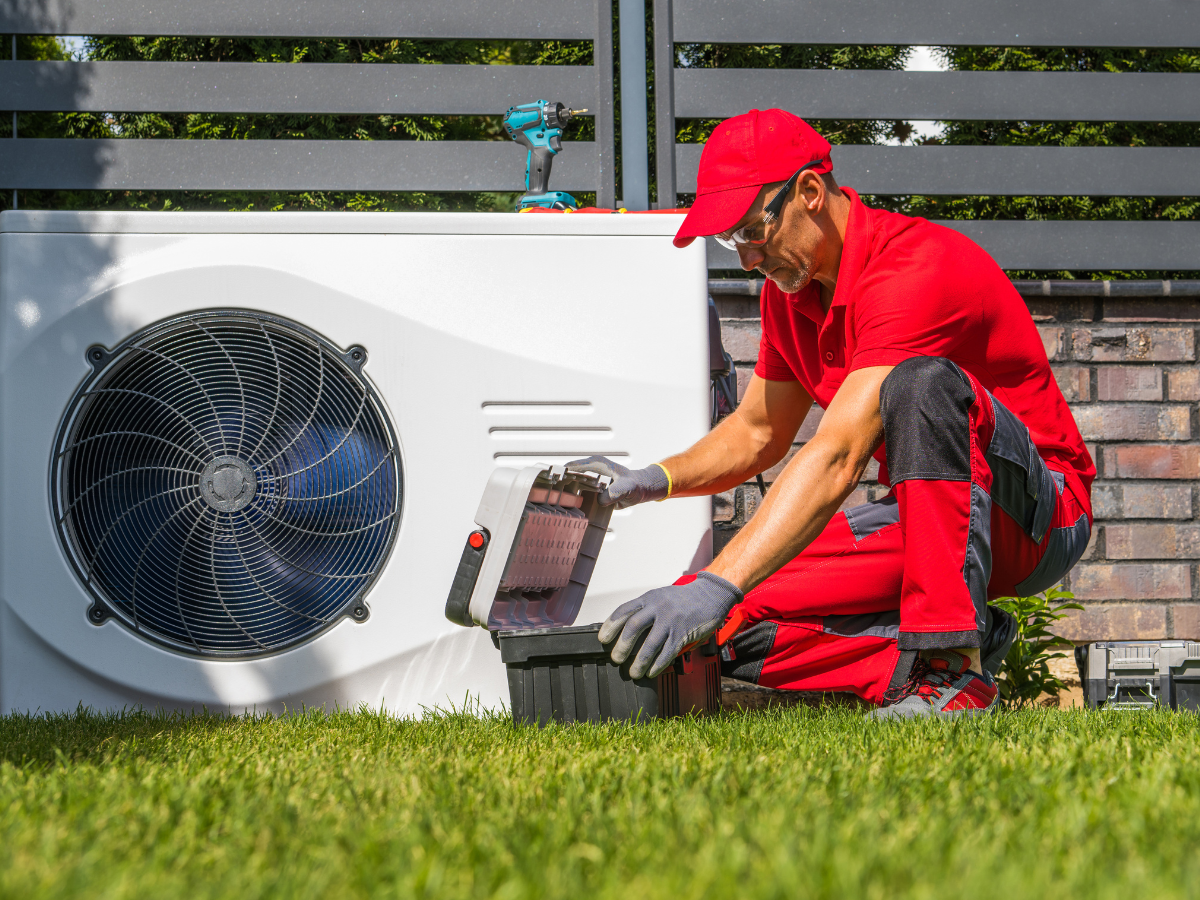
You're staring at two quotes on your kitchen table. One is for a heat pump. One is for a furnace replacement. The heat pump costs more, and you want to know why. Maybe your contractor mentioned a few other differences too, and now you're not sure what to believe.
As a locally owned, licensed HVAC contractor here in Westminster, we field this question every week. So let's get right to it: what is the downside of having a heat pump? There are real trade-offs. You deserve to know them before you sign anything. A heat pump can be a great fit for a Colorado home. It just isn't right for every house or every budget.
This guide breaks down the cost, the cold-weather performance, backup heat, maintenance, and noise. Then we'll help you weigh it all for your own home. No sales pitch. Just straight answers.
What Is the Downside of Having a Heat Pump?
Here's the short version. A heat pump costs more upfront. It loses some power in extreme cold. It may need backup heat on the coldest nights. It also asks for more upkeep and runs a bit louder outside than a furnace.
The full list:
- Higher upfront installation cost than a standard furnace
- Reduced heating power in extreme cold without backup heat
- Possible need for backup heat during hard freezes
- Ongoing maintenance to protect efficiency and lifespan
- Slightly more noise from the outdoor unit
Not sure these trade-offs apply to your home?
Talk to our heat pump technicians in Westminster for a straight answer.
The Upfront Cost Is Higher Than a Furnace
A heat pump usually costs more to buy and install than a standard furnace. That's the first thing most homeowners notice when they compare quotes.
Your final price depends on a few things:
- The size and layout of your home
- Whether your ductwork is in good shape
- A ducted system versus a ductless mini-split setup
- Rebates or incentives you may qualify for
In our experience across Westminster homes, older ductwork often drives the price up more than the heat pump itself does. A home already set up for central air keeps the cost closer to a straight furnace swap.
Ask about current rebates before you budget. They can trim a real chunk off your total. The gap narrows over time anyway, since lower monthly energy bills chip away at that upfront difference year after year.
Efficiency Drops in Extreme Cold
Every heat pump loses some heating power as the temperature drops outside. That's just physics, not a flaw in your unit.
Standard heat pumps struggle the most below freezing. Cold-climate and variable-speed models hold onto more of their heating power in those same conditions. Brands like Amana and Lennox build cold-climate versions made for exactly this kind of winter.
Westminster sits at altitude, and our air runs dry and cold in winter. That combination puts extra demand on any heating system, heat pump or furnace. Not every heat pump on the market is rated the same for sub-freezing performance. Check the rating before you buy, not after you're shivering.
One thing we see constantly on Westminster calls: a homeowner thinks their heat pump broke during a cold snap. Really, it's just waiting on backup heat to kick in. What homeowners don't realize is that a properly sized system is doing exactly what it's supposed to do. It's just sharing the job with a backup source.
You May Need a Backup Heat Source
Many Westminster homes pair a heat pump with a backup heat source. That could be a gas furnace or electric strip heat, depending on your setup. This combination is called a dual-fuel system.
Dual fuel adds another piece of equipment, so it costs more upfront. But it protects your comfort on the coldest nights of the year. The backup kicks in automatically once the outdoor temperature drops below a set point. You won't need to touch a thing.
How dual-fuel switching works:
- Your heat pump handles most heating days on its own
- The system tracks outdoor temperature in real time
- Backup heat turns on below a set threshold
- The switch happens automatically, with no input from you
Getting the sizing right on the front end cuts down on how often backup heat has to step in. That's a job for a proper load calculation, not a guess. Want a system sized for how cold Westminster actually gets? Check out our
Westminster heat pump services for a clear answer for your home.
Maintenance Needs and Lifespan Trade-Offs
A heat pump works year-round. It heats your home in winter and cools it in summer. That means it never really gets an off-season like a furnace does. That extra run time adds wear over the years.
Regular care keeps a heat pump running well for longer. Skipping it shortens the life of the whole system.
Simple maintenance that protects your heat pump:
- Change or clean the filter every one to three months
- Book a professional tune-up once a year
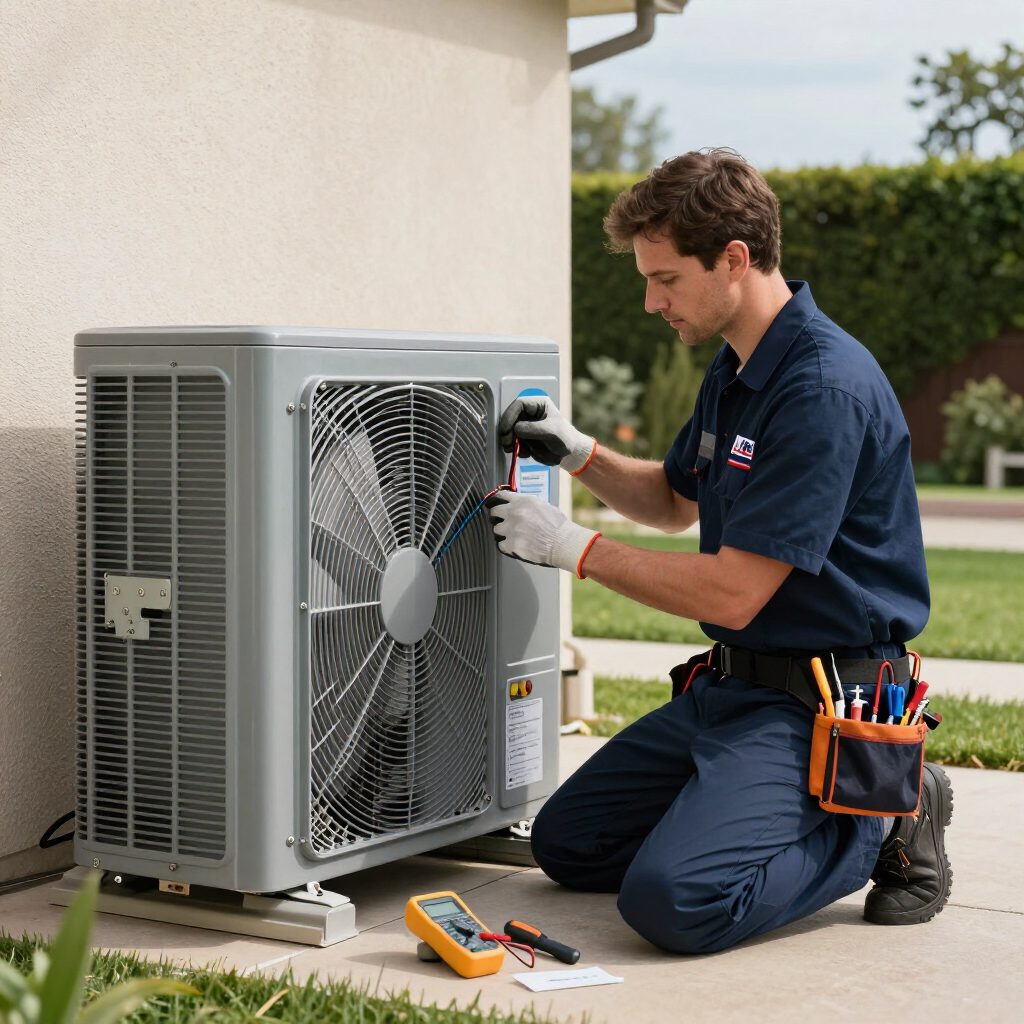
- Keep the outdoor unit clear of leaves, snow, and debris
- Have coolant levels checked during your annual visit
Because a heat pump runs on coolant, some repairs cost more than a typical furnace repair. A coolant leak or compressor issue is a bigger job than swapping a furnace part. Staying current on maintenance is the best way to catch small problems before they turn into expensive ones.
Noise and Outdoor Unit Placement
A heat pump's outdoor unit runs more often than a furnace's, since it works for both heating and cooling. That means more chances to hear it running.
Where you place the unit matters. Set it too close to a bedroom window or a neighbor's fence, and you'll hear about it — literally. Modern variable-speed heat pumps run quieter than older single-stage models, especially at partial power.
A few placement choices that cut down on noise:
- Keep the unit away from bedroom windows when possible
- Leave clearance from property lines and shared walls
- Use a small fence or landscaping to soften the sound
- Set the unit on a stable, vibration-dampening pad
Good placement on install day saves you a headache later.
Weighing the Downsides — Is a Heat Pump Still Worth It in Westminster?
Here's the full list of trade-offs, side by side:
- Higher upfront cost than a furnace
- Reduced heating power in extreme cold
- Possible need for backup heat
- More maintenance to protect lifespan
- Slightly more outdoor noise
A dual-fuel setup solves most of the cold-weather worry on this list. Add in your insulation, your ductwork, and your budget, and the right answer looks different for every home.
The only way to know for sure is a proper load calculation and a look at your actual house. Ready to see how a heat pump fits your home? Schedule a heat pump consultation in Westminster and get a straight answer, not a sales pitch.
You might also like
Westminster HVAC Insights – Heating & Cooling Tips