How Long Does an HVAC System Last in Westminster, CO — and How Much Does a New HVAC System Cost?
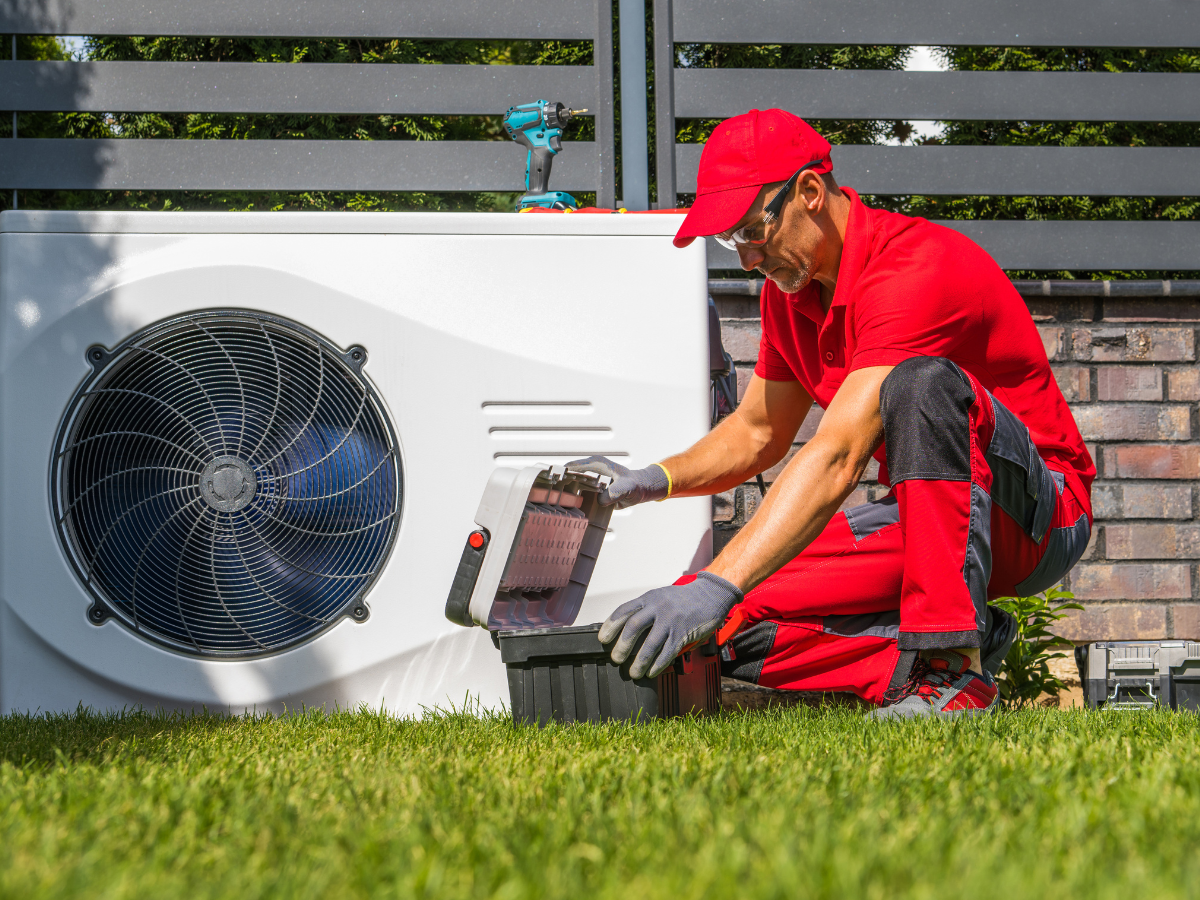
Has your furnace or air conditioner already lived through a few Colorado winters and summers? You're probably wondering how much time it has left. Every system ages differently. But most homeowners in Westminster ask the same question once their unit passes the ten-year mark. How much does a new HVAC system cost?
We're a locally owned and operated HVAC contractor with licensed technicians on every crew. We hear this question on service calls across Westminster all the time. This guide covers how long HVAC systems typically last and what speeds up wear in our climate. It also covers the signs worth watching for, and what a replacement usually costs when the day comes.
How Long Does an HVAC System Last in Westminster, CO?
Furnaces usually last 15 to 20 years. Air conditioners and heat pumps typically run 12 to 17 years. In Westminster, altitude, dry air, and big temperature swings can push those numbers down.
- Furnaces: 15–20 years
- Air conditioners & heat pumps: 12–17 years
- Local factors that shorten these ranges: altitude strain, dry-climate dust buildup, and freeze-thaw temperature swings
Already near the end of that range? See the
average cost to replace an HVAC system in Westminster.
How Long Does an HVAC System Really Last?
Most furnaces run for 15 to 20 years. Most air conditioners last 12 to 17 years. Those numbers are national averages, not guarantees.
A lot depends on how the system was installed. A rushed or undersized install can cut years off a unit's life. Skipping maintenance for even a season can do the same.
Equipment tier matters too. A basic builder-grade furnace won't last as long as a higher-efficiency model from a brand like Amana or Lennox.
If your system is already past these ranges, it may be close to failing. It's worth checking the
average cost to replace an HVAC system in Westminster now.
What Affects HVAC Lifespan in Westminster, CO
Westminster sits over a mile above sea level. Thinner air makes HVAC components work harder to move the same amount of heat or cool air. That extra strain adds up over the years.
Our freeze-thaw cycles don't help either. Outdoor units can face wide temperature swings within a single week. That stress wears down coils and compressors faster than a milder climate would.
Dry air brings its own problem: dust. It builds up fast in filters and coils here. If filters aren't changed often, the whole system works harder than it should.
One thing we see constantly on Westminster calls is dust-clogged coils on systems barely five years old. Homeowners are often surprised how fast it happens at this elevation.
Signs Your HVAC System Is Nearing the End of Its Life
A few warning signs show up before a full breakdown. Watch for these:
- Energy bills creeping up without any change in how you use the system
- Repairs piling up in a short stretch of months
- Rooms that heat or cool unevenly
- Strange noises, rattling, or smells when the system runs
Most of the time when this happens in Westminster, it's the compressor or the heat exchanger starting to fail. Those are expensive parts to replace on an older system. So once you're facing that kind of repair bill, a new system often makes more sense.
Curious what a new HVAC system costs in Westminster?
Check current pricing here.
Furnace vs. Air Conditioner: Different Lifespans, Different Timelines
Your furnace and your AC age on their own schedules. They don't wear out at the same time, even when installed together.
| System | Typical Lifespan | Main Stressor | Common Failure Season |
|---|---|---|---|
| Furnace | 15-20 years | Heating cycles, dust buildup | Winter |
| Air Conditioner / Heat Pump | 12-17 years | Heat, freeze-thaw swings | Summer |
Because they age differently, pairing an old furnace with a brand-new AC can cause issues. The two systems may not run well together, and efficiency can suffer.
How do you decide what to replace? If both units are close in age, replacing them together often makes more sense. If one is much newer, it may be worth waiting on that one.
What Happens When It's Time to Replace?
Replacement starts with an assessment. We look at your home's size, ductwork, and insulation before recommending a system. Sizing matters more than most homeowners expect.
Most installs take one to two days for a straightforward swap. Cost depends on the equipment tier, ductwork condition, and any electrical upgrades needed.
Rebates can help offset the cost. Xcel Energy offers rebates on certain high-efficiency systems, though offers change often. It's worth asking what's currently available. Federal tax credits under Section 25C ended on December 31, 2025. That incentive is no longer part of the equation.
Ready to see real numbers? View the full Westminster HVAC replacement cost guide.
Tips to Extend the Life of Your HVAC System
A few simple habits go a long way:
- Change filters every one to three months, more often if you have pets
- Schedule a professional tune-up once a year, ideally before the season it works hardest
- Keep the outdoor unit clear of leaves, dirt, and snow
- Avoid drastic thermostat swings — small, steady adjustments put less strain on the system
What homeowners don't realize is that a five-minute filter check each month can add real years to a system's life. It's the cheapest maintenance you'll ever do.
For more on how Westminster HVAC can help keep your system running longer, reach out anytime.
You might also like
Westminster HVAC Insights – Heating & Cooling Tips